









I am writing from a small displacement tent in Al-Zawaida, central Gaza, where my family of nine lives day by day. Over a million people now inhabit such makeshift camps across Gaza, and women bear the heaviest burden. While the world sees the destruction from afar, the personal realities of women’s survival inside these tents remain largely unseen.
I am Shahd Adwan, a fourth-year university student majoring in English translation at Al-Azhar University, in Cairo. Like many others, my education has been disrupted by war. I currently study entirely online, which means I must walk long distances every day to reach an Internet point, where I can attend lectures, submit assignments and take exams.
A typical day begins early. I wake up and help organize the tent, then assist my mother in preparing breakfast, which we eat together as a family. Most days, breakfast consists only of bread with za’atar, olive oil and tea.
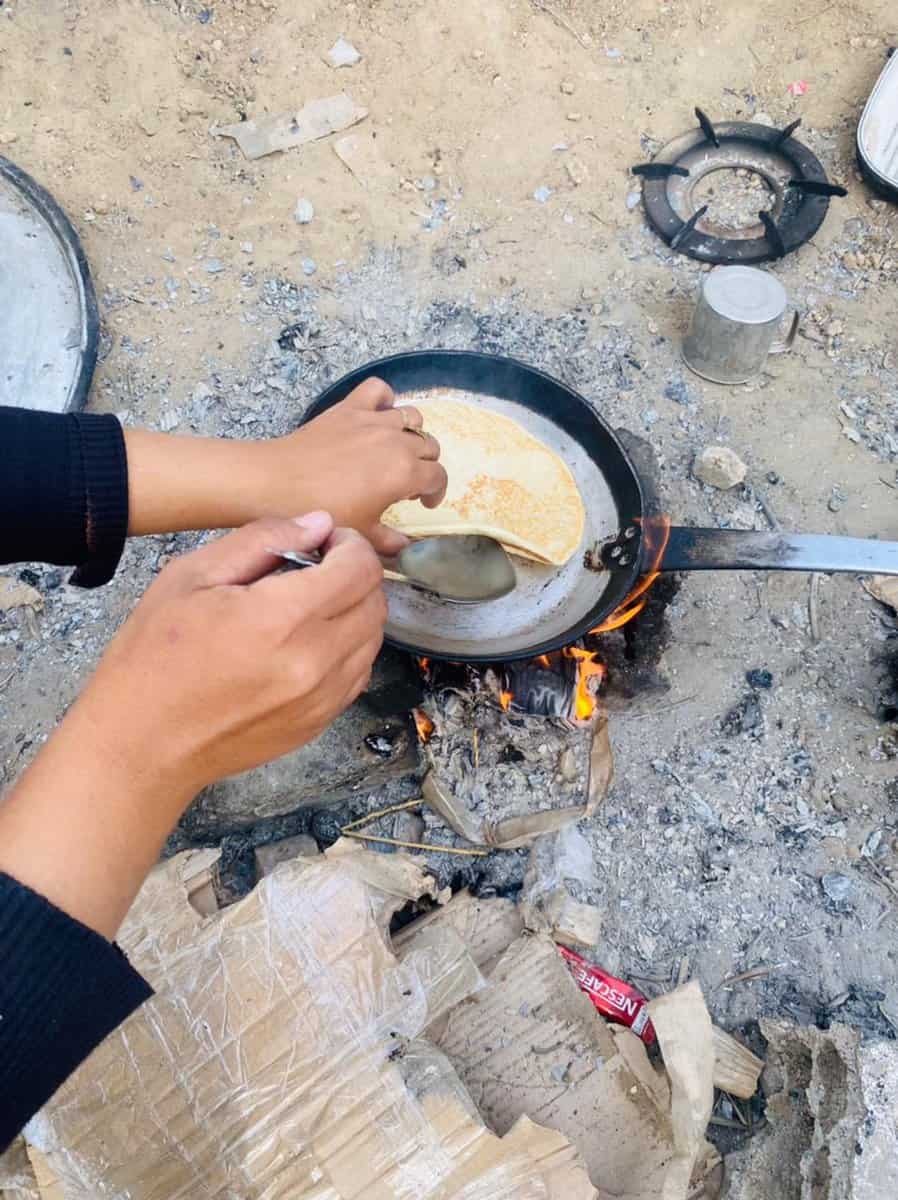
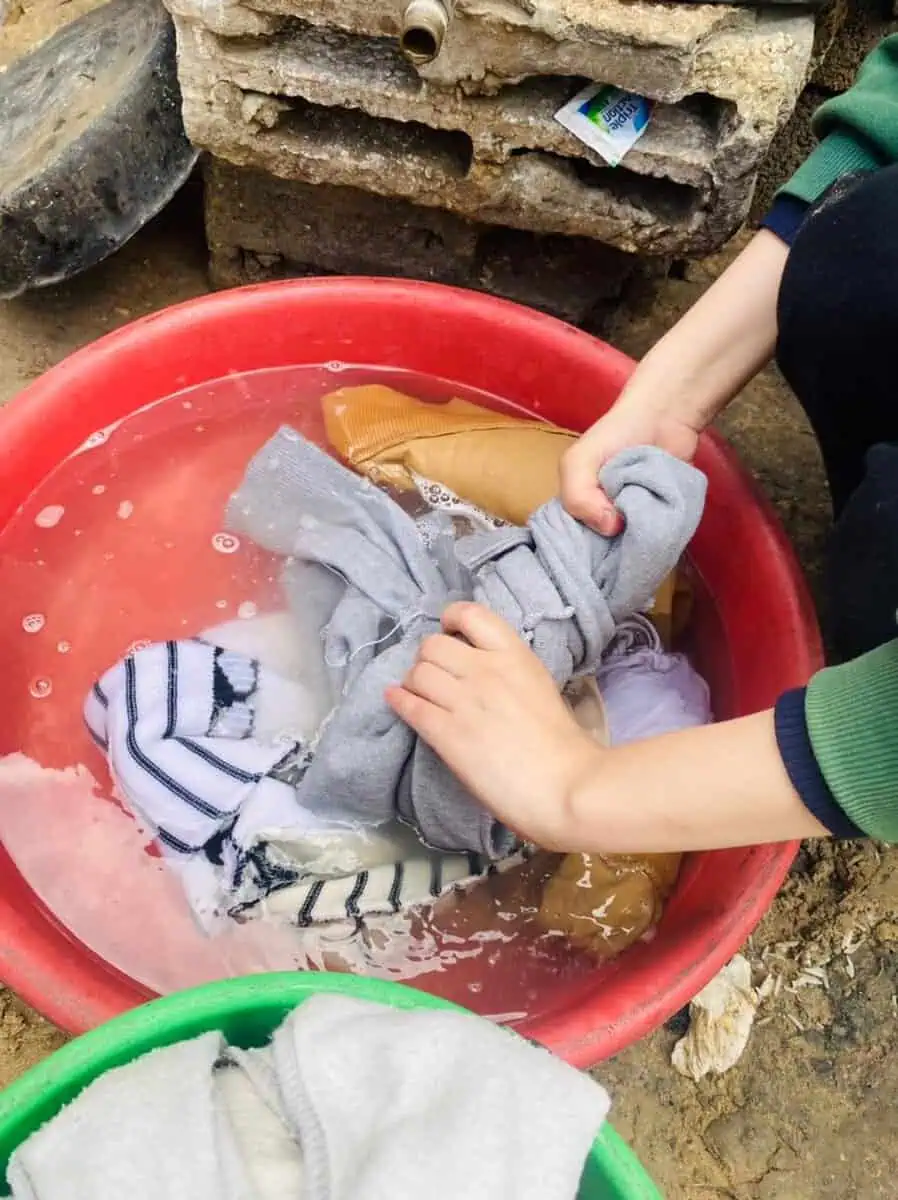
After breakfast, the day is consumed by household work. Cleaning, washing clothes by hand in small basins, cooking over open fires and organizing the limited space are daily responsibilities that fall almost entirely on women. We use as little water as possible, hang laundry on lines stretched between crowded tents and carefully plan each meal to stretch limited ingredients. Cooking fills the tent with smoke, making children cough, yet meals must be prepared.
I help my mother collect firewood, prepare food and keep the tent organized throughout the day for sleeping and daily activities, watching children to ensure their safety and cleaning after storms or floods. Despite exhaustion and emotional strain, women continue these tasks while holding families together and preserving a sense of dignity.
Most men spend their days searching for temporary or day labor or humanitarian aid from local charities and international relief groups. Sometimes, they help by collecting firewood or heating water for bathing, but the main burden of daily survival remains on women.
Water, firewood, cooking
Water is scarce and available occasionally. Women spend hours collecting it, carrying heavy jerrycans from water trucks back to their tents. Washing clothes is done small basins, often with limited water. Poor sanitation worsens the situation, as wastewater flows near the tents, attracting insects and spreading foul odors and disease. Skin infections and other illnesses are common, and women are the most exposed.
To heat water for bathing, we leave jerrycans in the sun for hours; sometimes, when wood can be obtained, we heat water over open fires. Toilets are improvised, using old blankets, making even basic hygiene difficult.
Cooking is a constant struggle. With no cooking gas available, women rely on stones, wood and scraps of paper to build fires. Pots and pans become blackened from constant exposure to open flames. Preparing even the simplest meals takes hours, and smoke fills the air, causing children to cough.
Getting food itself has become extremely difficult. Most food is unavailable due to the closure of the crossings into Gaza. Some items can be found in limited quantities, but prices are far beyond what most families can afford. Women must constantly find ways to stretch what little food is available to feed their families.


Life inside the tent
Our tent is small, tidy and clean, but it offers no privacy. Our family of seven children, both girls and boys, sleep, store belongings and carry out daily activities all in the same space.
Recently, heavy rains flooded our tent completely. We tried to protect ourselves from the water and cold. My mother wrapped my younger siblings in some dry blankets to keep them warm, while we began moving mattresses and blankets to higher places to keep them from getting wet. The ground became muddy and all our belongings were soaked. Instead of feeling the usual warmth and comfort associated with rain, we felt fear, anxiety and sadness for what was to come because of these rains.
Reaching an Internet point to continue my education is often dangerous. I walk for about an hour to an hour and a half each way. Even after the ceasefire [of Oct. 10], sudden violations still occur, including shelling.
Weather conditions make the journey to the Internet point even harder. Cold temperatures, heavy rain and frequent storms often make it difficult to leave the tent. But education for me is not only a personal goal, but also one of the few ways I can imagine a future beyond mere survival.
Despite the harsh conditions, women support one another. When water or flour runs out, neighbors share what they can. When a child becomes sick, the community comes together to help. These small acts of solidarity create moments of strength and humanity amid daily struggle.
From inside my family’s tent, I write this to ensure that the daily trials of women here are not forgotten. Behind every tent is a story, and behind every woman is resilience. While the idea of leaving Gaza is omnipresent, especially to continue my education and pursue a master’s degree, the hope remains the same: a life of dignity, safety and opportunity for ourselves and for future generations.















All of this, and they are still holding strong—what a people, what determination!
People of Mighty